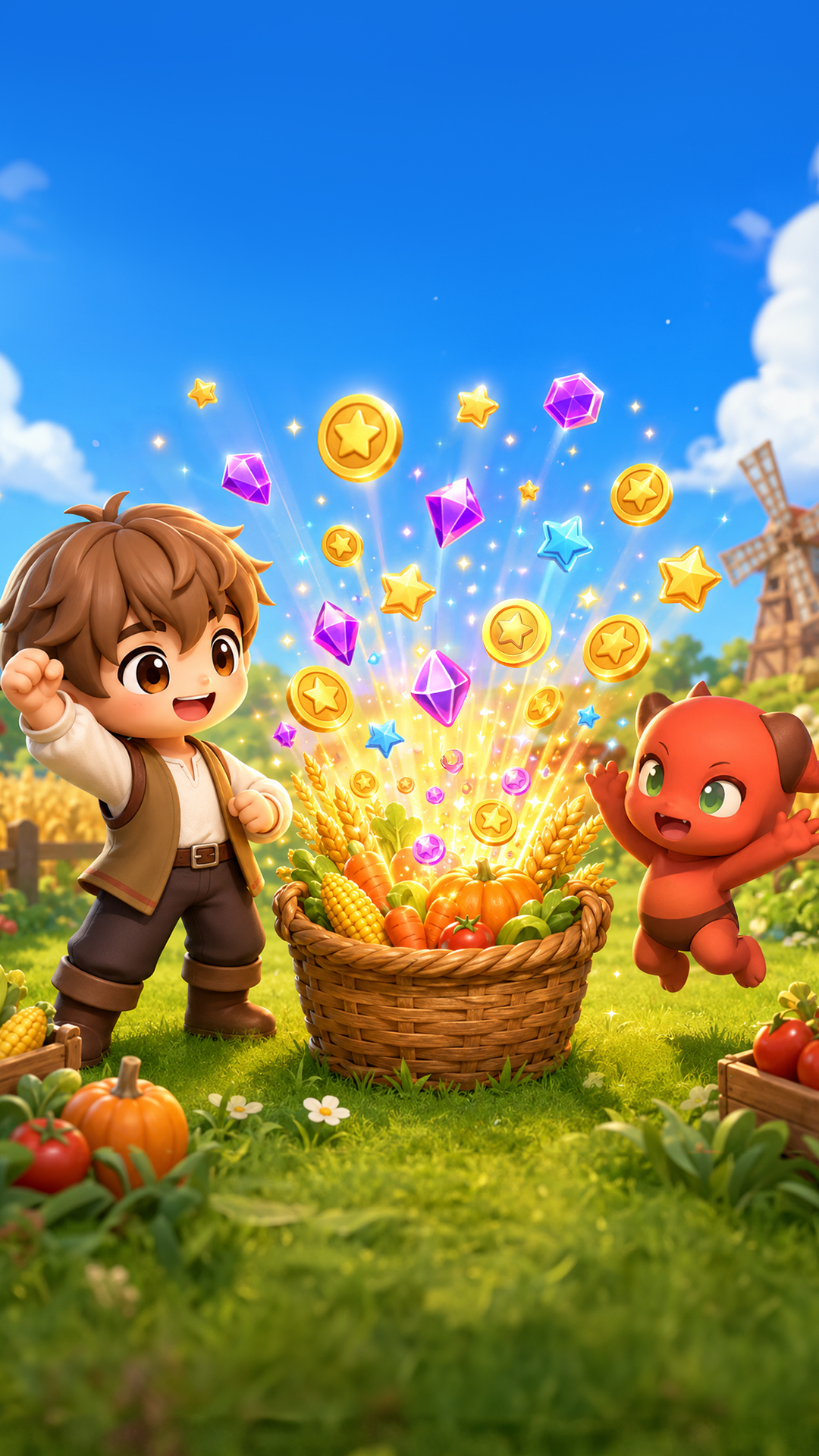
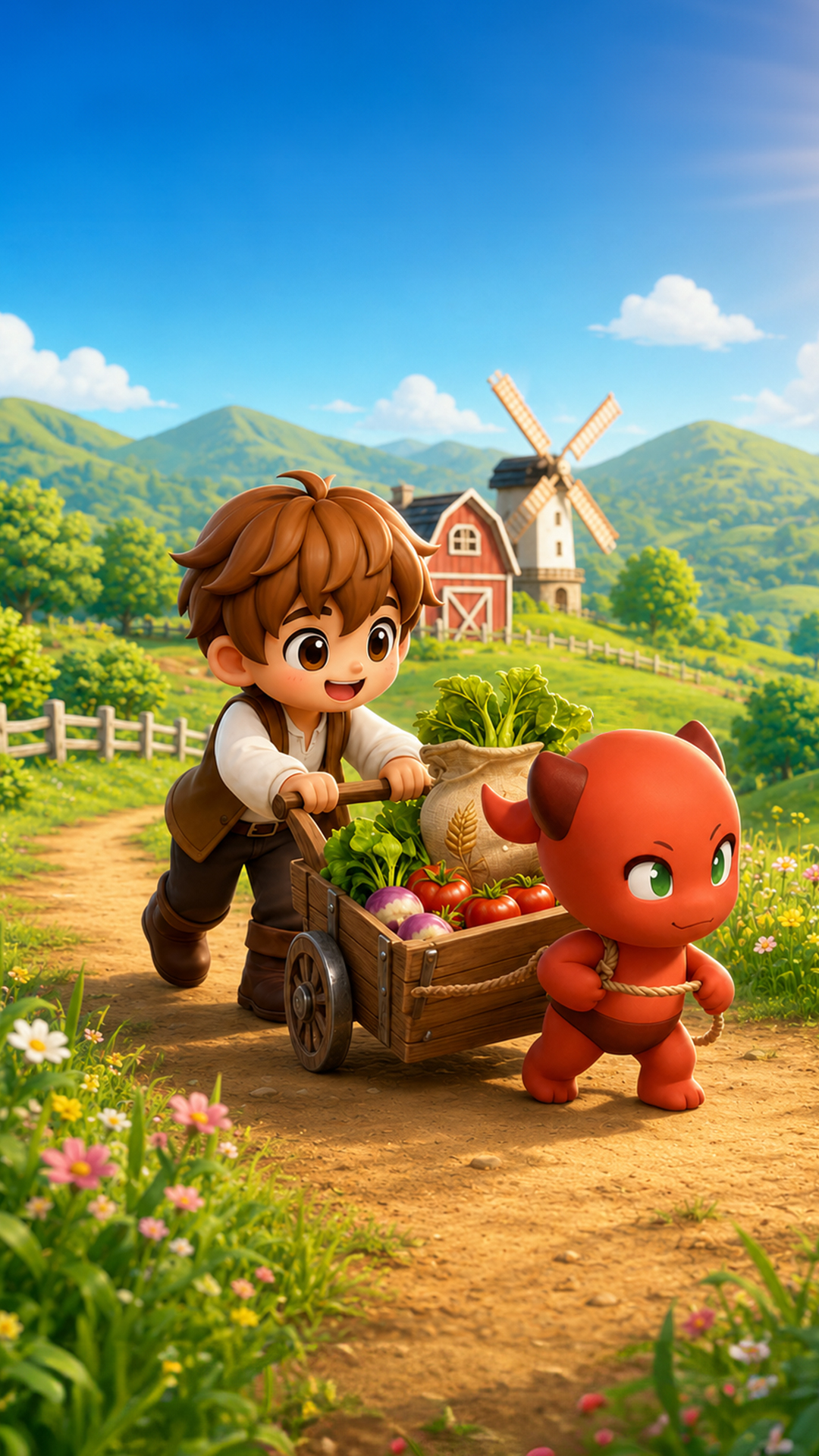
the generic AI look is a grounding problem, not a model problem.
AI can ship a hundred ad creatives a week and most will lose. three myths about AI ad creative for mobile games — and the loop that turns it into installs.
in 2025, 56% of the top 100 grossing mobile games used AI to make their ad creative (AppMagic). that one number settles an argument and starts a better one. the settled argument: AI creative isn't an edge anymore — it's table stakes, and half your competitors already run it. the better one: if everyone has infinite AI volume, generating more of it can't be what wins. most AI ad creative for mobile games is forgettable — not because the models are weak, they're astonishing, but because studios point them at the wrong problem. the teams getting real ROAS out of AI aren't the ones generating the most. they're the ones who fixed three assumptions everyone else still runs on.
myth 1: volume is the goal
the industry loves the stat that top advertisers ship hundreds of variants a week, and concludes the winner is whoever generates fastest. that's half the story — and with 56% of the top 100 grossing games now running AI pipelines, \"generate faster\" isn't even a differentiator; everyone is fast. ad networks don't reward volume — they reward signal. the algorithm needs enough genuinely different creative to learn which audiences respond, then it scales the two or three that work. five hundred near-identical variants on a weak idea teach it nothing; you've just spent budget faster. the goal was never more ads. it was finding the few players actually respond to.
myth 2: the generic look is a style problem
the "generic AI look" isn't about aesthetics, and no amount of prompt-polishing fixes it. it's a grounding problem. a horizontal tool with no knowledge of your game defaults to a plausible average — clean, competent, and completely unlike the ads that win in your category. players feel the averageness, and so does your CPI. the fix isn't a better adjective in the prompt. it's creative built on your own characters, palette, and real gameplay footage, so the output carries your game's identity instead of the internet's.
myth 3: the model does the work
a raw generation is a first draft, not a creative. the teams pulling ahead wrap the model in a loop: they extract the game's visual anchors and brief from them; they generate a few genuinely different concepts, not permutations; they run a critic that scores each variant against real historical winners and re-prompts the losers; and they ship the survivors, then read hook rate and IPM to decide what to make next. the model is one step in that loop. the loop is the product.
what AI actually replaces
not your taste — and it shouldn't try. what it replaces is the slow middle: reformatting into 9:16, 1:1 and 4:5, localization, the twentieth hook variant on proven footage, the end-card swaps. that work is where AI is genuinely unbeatable, and it's most of the calendar. the judgment about what's worth making stays human; the machine just makes the making fast enough to keep pace with the algorithm and fresh enough to outrun creative fatigue.
the honest version
AI ad creative that moves ROAS looks less like a firehose and more like a studio with a very fast hand and a very strict editor. numu is that loop, built for game studios: it learns your assets and art style, generates on-brand static and video in minutes, runs a critic layer to hold the quality bar, and ties every creative back to install performance — so the next batch is smarter, not just bigger. get early access.