playable ads that convert: a teardown by network and genre.
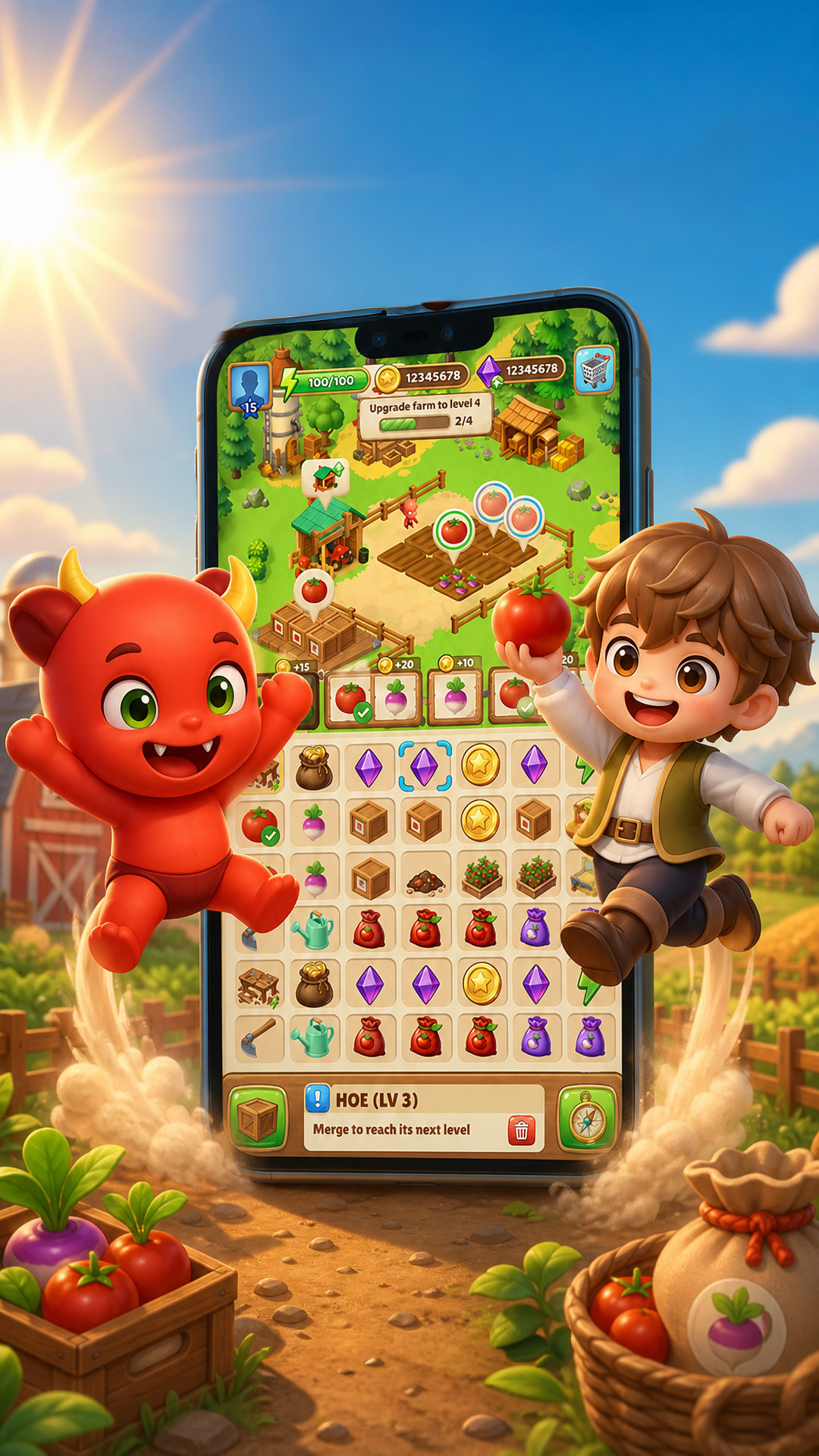
the anatomy of a playable that actually installs — torn down beat by beat, then by network (meta, tiktok, applovin, unity) and by genre, with the patterns that win on each.
a playable ad is the only format where the player has fun before they install. they tap, they play three seconds of your core loop, they hit the prompt — and the ones who install already know they like it. that's why, for the right genre, playables beat video and static on the metrics that pay: higher IPM, higher day-1 retention, lower churn from mismatched expectations. this is a teardown of what actually makes one convert — beat by beat, then network by network, then genre by genre.
the three beats every winning playable shares
strip any high-performing playable and you'll find the same skeleton. a hook: a 2–3 second tutorial overlay with one gesture and one goal, on screen before the player can get bored. a loop: 10–20 seconds of a simplified, exaggerated version of your core mechanic — the fun, concentrated. and an end card: a single obvious install CTA that lands like a reward, not an interruption. the failure modes map cleanly onto the beats: a hook that explains too much, a loop that's harder than the real game, an end card that shows up before the player felt anything.
network by network: what actually changes
the beats stay constant; the constraints don't. the same playable will not perform identically across networks — file weight, first-frame rules, and audience intent all shift.
| network | what to know | what wins |
|---|---|---|
| meta / facebook | broad intent, advantage+ decides placement; MRAID unit, keep it light | an instant hook, no logo intro — the first frame is the ad |
| tiktok | sound-on, fast-scroll audience; native energy beats broadcast polish | a hook that reads in under a second and feels UGC |
| applovin / ironsource | in-app reward context; players expect to "earn" the exit | a satisfying loop with a clear win-state before the CTA |
| unity | mid-core reach, tolerant of a slightly longer teach | one extra beat of depth to signal there's a real game underneath |
the practical takeaway: build the core once, then cut network-specific hooks and end cards rather than shipping one master unit to all of them.
genre by genre: which mechanic to isolate
playables shine when the fun is legible in a single tap — puzzle, merge, casual, and hypercasual all qualify, because the core loop is the ad. for these, isolate the most representative moment, not the most impressive one. deeper genres — rpg, 4x, strategy — can still win, but only if you resist teaching the whole game: pick one satisfying micro-decision (a single merge that powers up a hero, one lane you have to defend) and let it stand in for the depth. if your first meaningful choice needs a paragraph, that's a signal video is the safer format for that title.
three playables we'd kill in review
- the trailer with a button. 15 seconds of non-interactive cinematic, then "tap to play." it's a video wearing a playable's costume; it converts like a video and costs like a playable.
- the one that's more fun than the game. a slick mechanic that doesn't exist in the actual product. it inflates taps and installs, then tanks D1 retention when the real game shows up. the playable has to be honest.
- the maze. two tutorial layers, a settings gear, three taps before anything happens. every extra beat before the fun is a place people leave.
reading a playable past CPI
CPI and IPM tell you the ad works; they don't tell you why, or where it's leaking. instrument the unit: interaction rate (did they engage the hook), completion rate (did they finish the loop), time-in-playable, and CTA tap rate. a high completion but low CTA means the loop is fun but the payoff isn't legible. low completion means your loop is too long or too hard. that's the difference between guessing at the next version and briefing it.
how numu makes playables at volume
the old reason studios skipped playables was production: weeks and thousands of dollars per unit from an agency. numu generates and iterates interactive concepts from your real game assets, cuts the network-specific hooks and end cards for you, and feeds in-unit performance back into the next batch — so you test many honest concepts and scale the two that convert. tell us what you're launching.
playable ads FAQ
what is a playable ad?
an interactive HTML5 ad that lets someone play a short slice of your game before installing, ending on a download CTA.
do playable ads work on facebook and tiktok?
yes — both support playables. facebook serves them through advantage+ placements as MRAID units; tiktok rewards native, sound-on hooks that read in under a second. the core can be shared, but the hook and end card should be cut per network.
how long should a playable ad be?
a 2–3 second tutorial and 10–20 seconds of interactive gameplay before the end card. shorter almost always beats longer.